ÎÚÑ»´«Ã½

globalEDGE Blog - Page 105

Publish Date:

The is an independent organization that conducts research on global security. More specifically SIPRI collects data on military expenditures and the international arms trade. SIPRI released their latest data for 2016, this Monday, February 21st.

The headline of their latest data release is that . While the overall global uptick is intriguing in its own right, there are also several interesting trends at both the region and country level.
Publish Date:

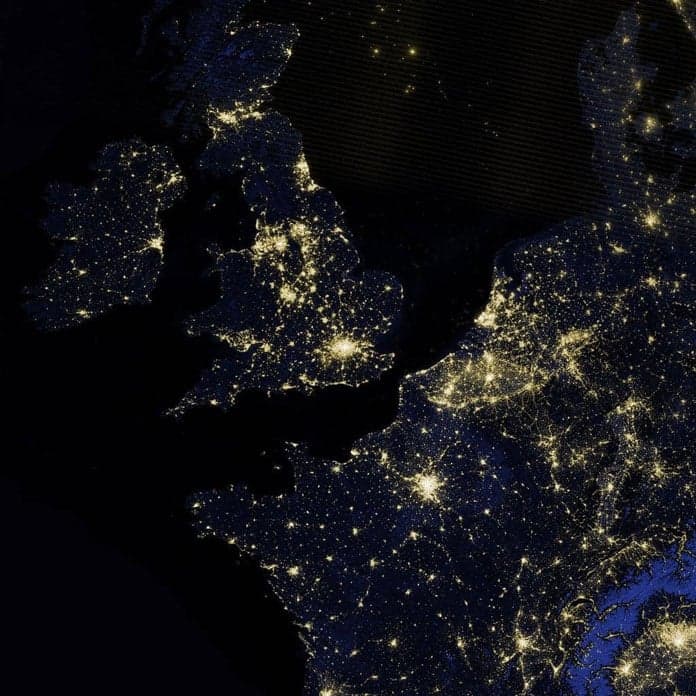
The United Kingdom recently announced that they could be leaping into space by 2020. Up until now, the UK has been dependent on countries such as the United States, India and Japan to help launch their satellites. However, the British have just announced a proposal, the Spaceflight Bill, . This proposal is estimated to be worth over 30 billion dollars in the next 20 years, which will open up ample opportunities for British scientists to explore the possibilities of antibiotic and vaccine creation in a zero-gravity environment.  

Publish Date:

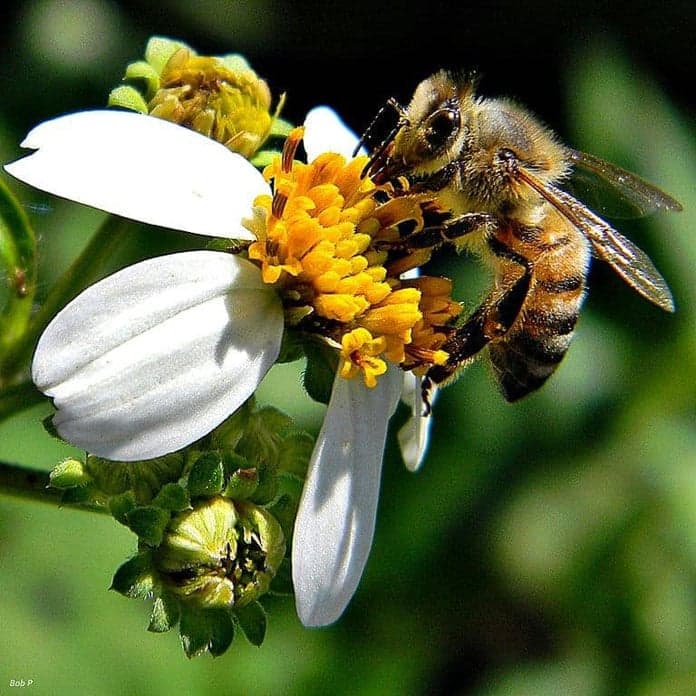
Since 2006 the rate at which beehives die has jumped from 5-10% a year to about 30%.  These statistics become even more alarming when you realize how important bees are to the world’s economy. Bees have been identified by a United Nations Environment Programme report as  There are 100 crop species that provide 90% of the world’s food. 71 of these crop species are pollinated by bees. Almonds, pumpkins, and cucumbers  California produces 82% of all the almonds in the world. , coming out to over $2.5 billion in revenue for California. The production of almonds in California would become nearly impossible without the presence of bees.

Publish Date:

The European Commission recently adjusted their forecast for the economic growth of the United Kingdom for 2017. Although the U.K. is expected to slow its economic growth relative to the previous year, the Commission now anticipates an annual growth of 1.5% in 2017; up from their previous prediction of 1.0%. The European Commission still expects an annual growth of 1.2% by 2018, which would still remain far below their 2% growth in 2016. This decrease in economic growth could be a response to both

Publish Date:

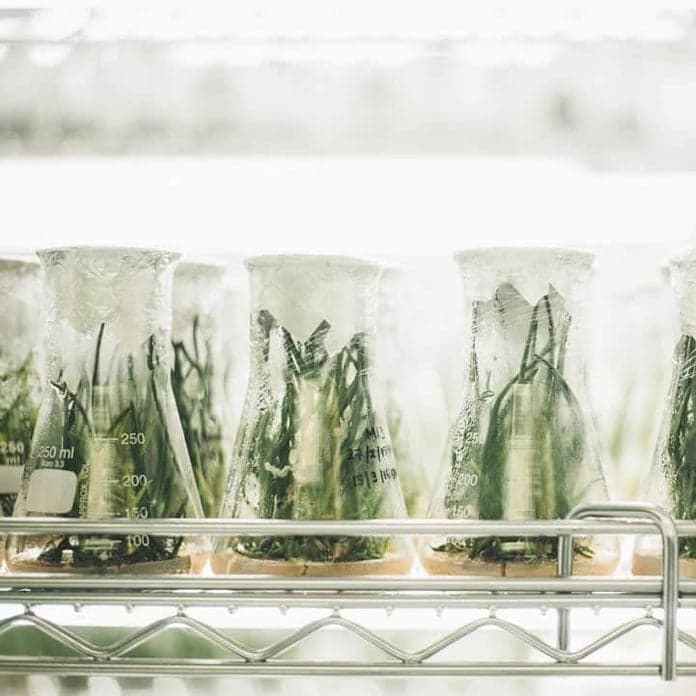
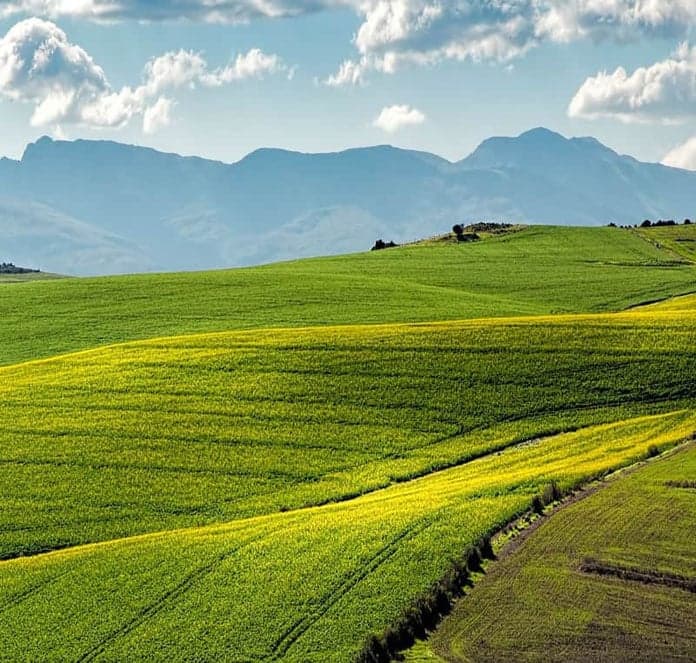
Agriculture has been, and always will be, a crucial part of our existence. This industry is continually evolving; in the past, improvements consisted of machinery becoming more effective, or incorporating animals into the seeding and harvesting process. Today, technology is playing the biggest part in how we grow our food. In 1900, around 41% of America's labor force was employed through the agriculture industry alone. Today, due to countless technological advances, the proportion is now below 2%.

Publish Date:

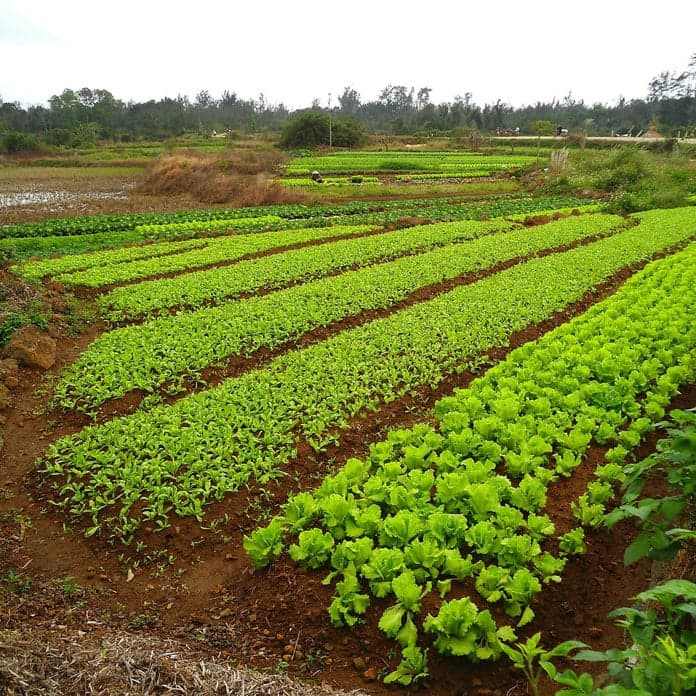
Over the past few decades, the global agriculture industry has been forced to adjust to sweeping societal changes, including booming population growth, increasing urbanization, decreasing rural populations, and a steep decline in the number of farmers. The industry has been able to —technological incorporation, increased production efficiency, and a focus on mass industrial output. However, the escalating symptoms of climate change are impacting agriculture on a much more devastating scale. Crop harvesting, fertilization, irrigation, and food production are all hit by the effects of climate change, affecting the living standards of populations the world over.

Publish Date:

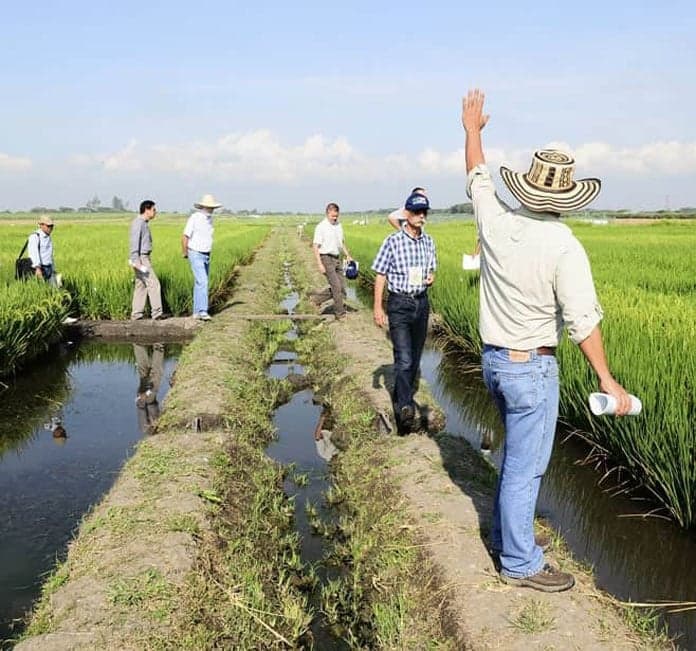
There are a wide variety of successes and shortcomings currently taking place within the Latin American agriculture industry.  to discuss the status of sugar in the Mercosur trade bloc. Mercosur includes countries such as Uruguay, Paraguay, and Venezuela, and currently, sugar is not included on the list of goods that are subject to free trade in the trade bloc. Farmers in Argentina fear that if current levies are withdrawn, there will be a downpour of cheaper Brazilian sugar into the country. Brazil is the world’s largest producer and exporter of sugar due to its favorable conditions for cane cultivation, which gives Argentina a good reason to be concerned. However, Agriculture Minister Blairo Maggi stated that Brazil would try to include sugar in the negotiations between Mercosur and the European Union. Read more about current events in Latin America’s agriculture giants below.

Publish Date:

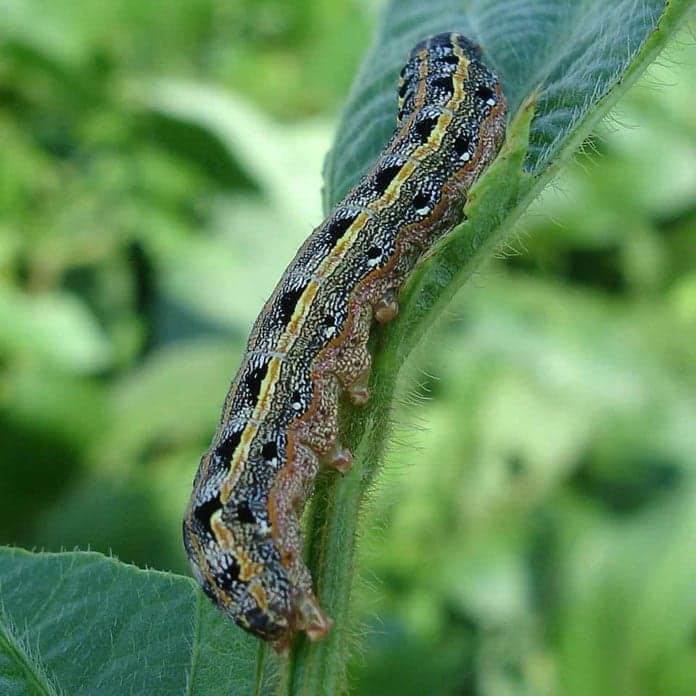
After a long period of droughts in Zimbabwe, persistent rains in the region renewed hope for farmers across South Africa that food shortages might finally let up. A lengthy drought seemed to be the worst of the agricultural industry's problem, but a new pest has taken over those fears and multiplied them. An in countries like Zimbabwe, Zambia, and Malawi threaten the crop yield for the coming year.

Publish Date:

This week, the globalEDGE blog will be taking a look at the global agriculture industry and its relevance to the international business world. In the following four days, we will look at current stories pertaining to the industry, including a look at Latin America and South Africa, along with how climate change is impacting farmers. On Friday, we will look toward the future, at how new techniques and technologies might improve the economic environment of the industry.

Publish Date:

Dr. Tomas Hult, professor of marketing and Byington Endowed Chair at Michigan State University’s Broad College of Business, as well as Director of MSU’s International Business Center, was recently recognized for his outstanding research. Dr. Hult co-authored four articles for the Journal of Marketing last year, the biggest single-year contribution by any expert in the journal’s history. Read more by clicking the link below.